
Solar Water Heater
A solar water heater (SWH) is a system that uses energy from the sun to heat water, providing an energy-efficient, cost-effective, and environmentally friendly alternative to conventional electric or gas water heaters. These systems are widely used in residential, commercial, and industrial settings. The proper installation of solar water heaters depends on many factors. These factors include solar resource, climate, local building code requirements, and safety issues; therefore, it’s best to have a qualified solar thermal systems contractor install your system.
With more people discovering the numerous advantages of renewable energy on the environment and their savings, solar-power energy solutions are gaining popularity and acceptance towards sustainable living.
Among the superior alternatives available for an eco-friendly approach are the solar water heaters, also known as the solar domestic water heating systems. Besides being one of the best choices to get hot water for your home and business, solar water heaters are cost-effective. Designed in such a way to save you from high electricity bills, solar water heaters use abundant renewable solar energy as a fuel to heat water for washing, cleaning and bathing.
The choice of heating system depends on heat requirement, weather conditions, heat transfer, fluid quality, space availability and annual solar radiation.
Avi Buildtech is acclaimed for providing the long-lasting and highly-efficient solutions for solar water heating systems.
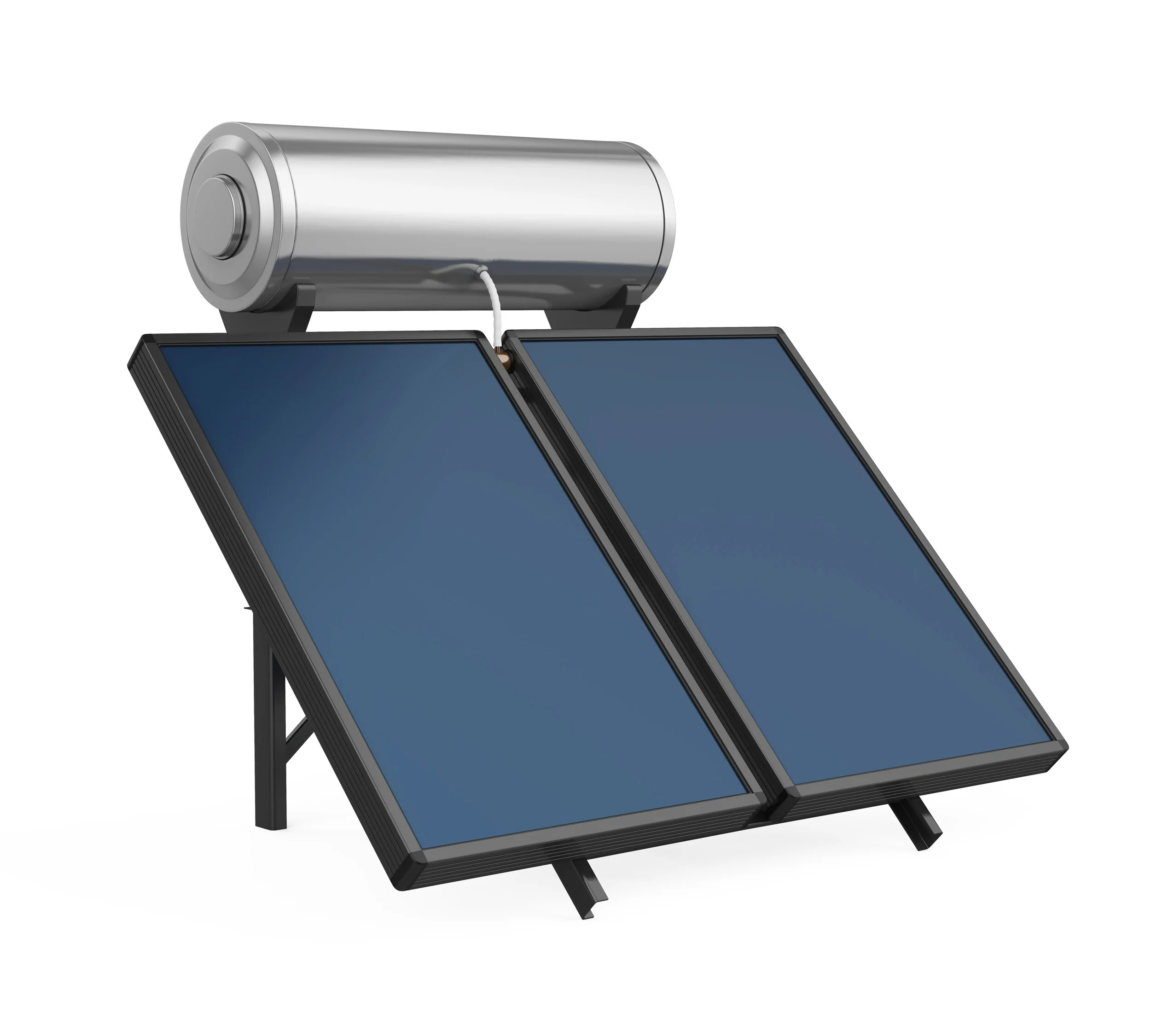
Types of Solar Water Heaters
The primary classification is based on the type of collector used:
Evacuated Tube Collector (ETC) Systems: These use double-layer borosilicate glass tubes with a vacuum in between to provide excellent insulation and absorb solar radiation efficiently.Pros: Highly efficient, perform well in colder regions/winter seasons by utilizing diffused radiation, and generally have a lower initial cost than FPC systems.
Cons: The glass tubes can be more fragile than FPC collectors.
Flat Plate Collector (FPC) Systems: These consist of an insulated, weatherproof metallic box with a dark absorber plate (often copper) under a glass cover.Pros: More durable than ETC systems and ideal for high-pressure applications where pressure pumps are used.
Cons: Slightly more expensive than ETC systems and may have a slower heating time, especially in very cold climates.
Systems are also categorized by how water is circulated:
Active Systems: Use electric pumps and controls to circulate water or a heat-transfer fluid through the collectors and storage tank. These are common in many climates but require some maintenance of the mechanical components.
Passive Systems: Rely on natural convection (thermosiphon principle), where hot water rises to the tank and cold water flows down to the collector, requiring no pumps. They generally require less maintenance but the tank must be installed above the collector, which can pose structural challenges due to the weight
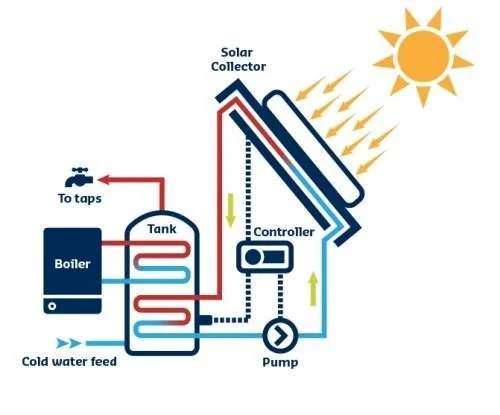
A solar water heater works by using a solar collector to absorb sunlight and an insulated tank to store the heated water. This process relies on the simple principle of transferring heat from a dark, sun-exposed surface to the water, often using natural convection or a pump for circulation.
The operation of a solar water heating system can be broken down into a few key steps:
Solar Energy Absorption: The sun’s rays fall onto the solar collector panels (either flat-plate or evacuated tubes), which are positioned on a roof or other unshaded area. The black absorber surface within the collector effectively captures the solar radiation and converts it into heat.
Heat Transfer: Water (in a direct system) or a heat-transfer fluid (in an indirect system for colder climates) circulates through pipes integrated within the collectors. As the fluid passes through, it absorbs the heat.
Circulation:Passive Systems: In a passive system (thermosiphon), the heated water or fluid naturally becomes less dense and rises into an insulated storage tank positioned above the collector. Cooler, denser water from the bottom of the tank flows down to the collector to be heated, creating continuous circulation without a pump.
Active Systems: In an active system, an electric pump is used to circulate the fluid between the collector and the storage tank. A differential thermostat activates the pump only when the collector fluid is significantly warmer than the water in the tank, optimizing energy use and preventing heat loss.
Storage and Distribution: The hot water is collected and stored in a well-insulated tank, ready for use at any time.
Backup Heating (Optional): During periods of low sunlight or high demand, a conventional backup system (electric or gas) can provide additional heating to ensure a constant supply of hot water.
Our Projects
Our work in numbers
employees
70
happy clients
156
years of experience
25+
offices worldwide
2
Testimonials
Lorem ipsum dolor sit amet, at mei dolore tritani repudiandae. In his nemore temporibus vim ad prima vivendum.
Jane Doe

Lorem ipsum dolor sit amet, at mei dolore tritani repudiandae. In his nemore temporibus vim ad prima vivendum.
John Denver

Lorem ipsum dolor sit amet, at mei dolore tritani repudiandae. In his nemore temporibus vim ad prima vivendum.
Michelle Smith

Contact us
Avi Buildtech is a leading solar energy business solutions provider offering extensive clean energy solutions and consultancy services for setting up on-site (rooftop and ground mounted), off-site, domestic, institutional and commercial solar projects